THAILAND & LAOS GOLDEN TRIANGLE ADVENTURE
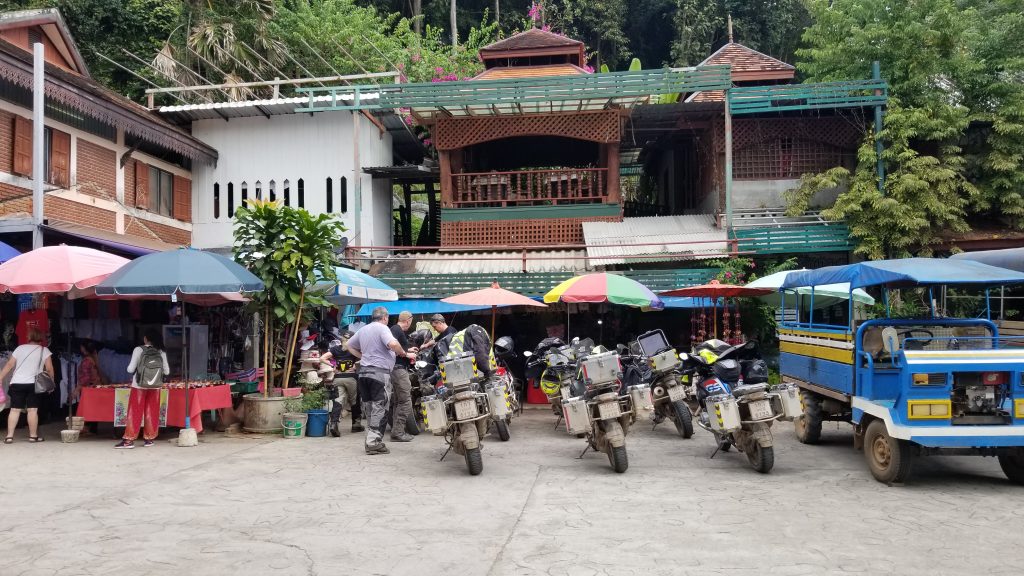
Motorcycle the best of northern Thailand and Laos through the famed Golden Triangle Region. This motorbike holiday features an amazing mix of curvy riding, engaging history and authentic cuisine. Our 14 day program begins and ends in the former capital of the kingdom of Lan Na, Chiang Mai. Our route circles the famed Golden Triangle region rich with unique history and culture. Highlights include two crossings and many kilometers riding the banks of the Mekong River which is and always has been a major trade route between China and Southeast Asia. The itinerary is punctuated by a final three day push through the mountainous Mae Hong Son loop also know as the road of 1,864 curves and a riders paradise.
ROAD CONDITIONS:
This is an all paved itinerary with many twisty sections and expansive views. This ride is appropriate for all skill levels of riders and will even offer more experienced riders a challenge as they pick up the speed through the curvy sections. We ride on the left in Thailand, on the right in Laos and back to the left in Thailand for the last leg.
Difficulty: Is this tour right for me?
Contact us with any questions
THE ITINERARY

Day 1 - Arrive in Chiang Mai, Thailand
Our team will meet you at the airport and take you to the hotel. Welcome dinner this evening. Stay in Chiang Mai.
Day 2 - Chiang Mai - Sukhothai
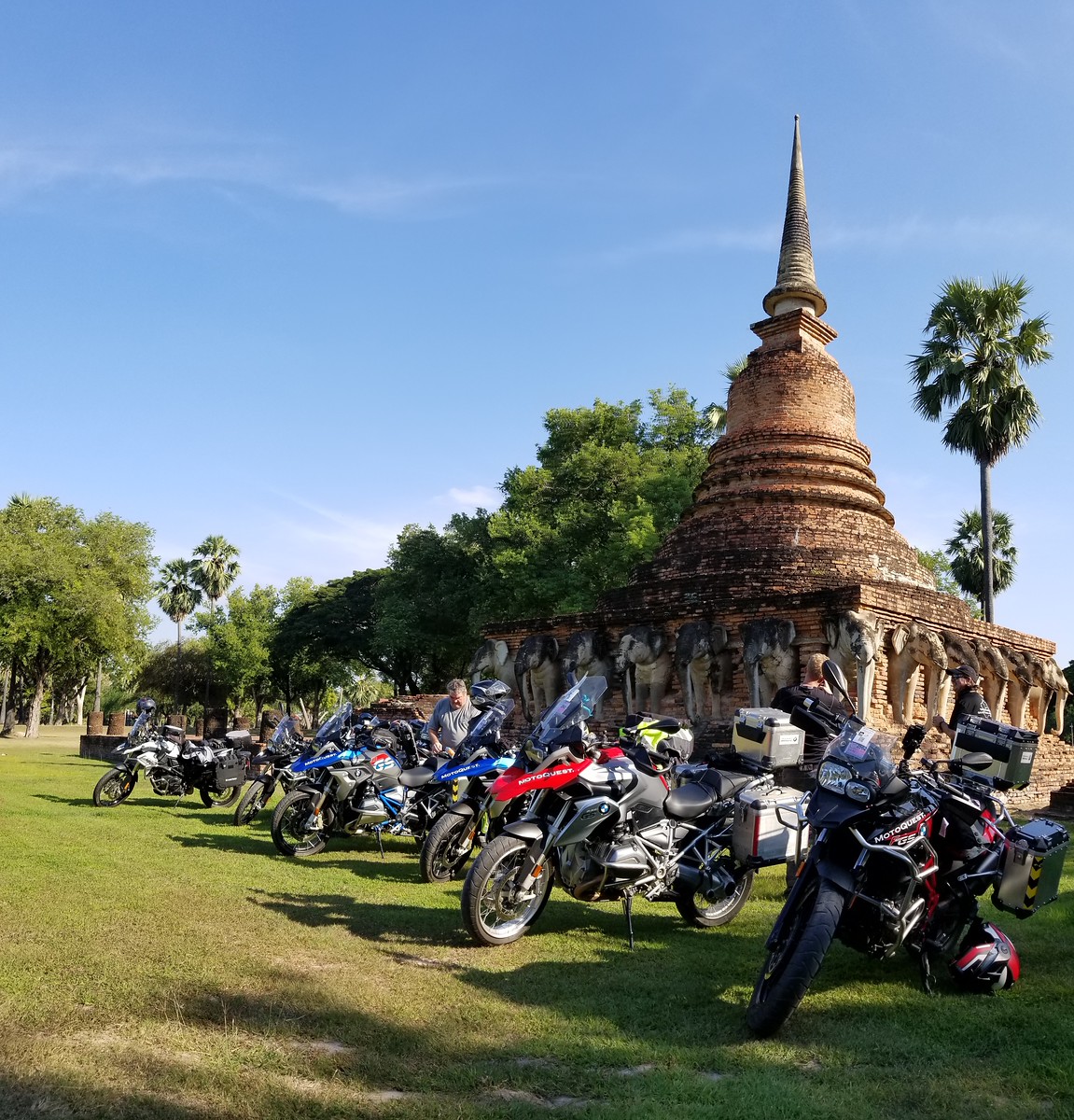
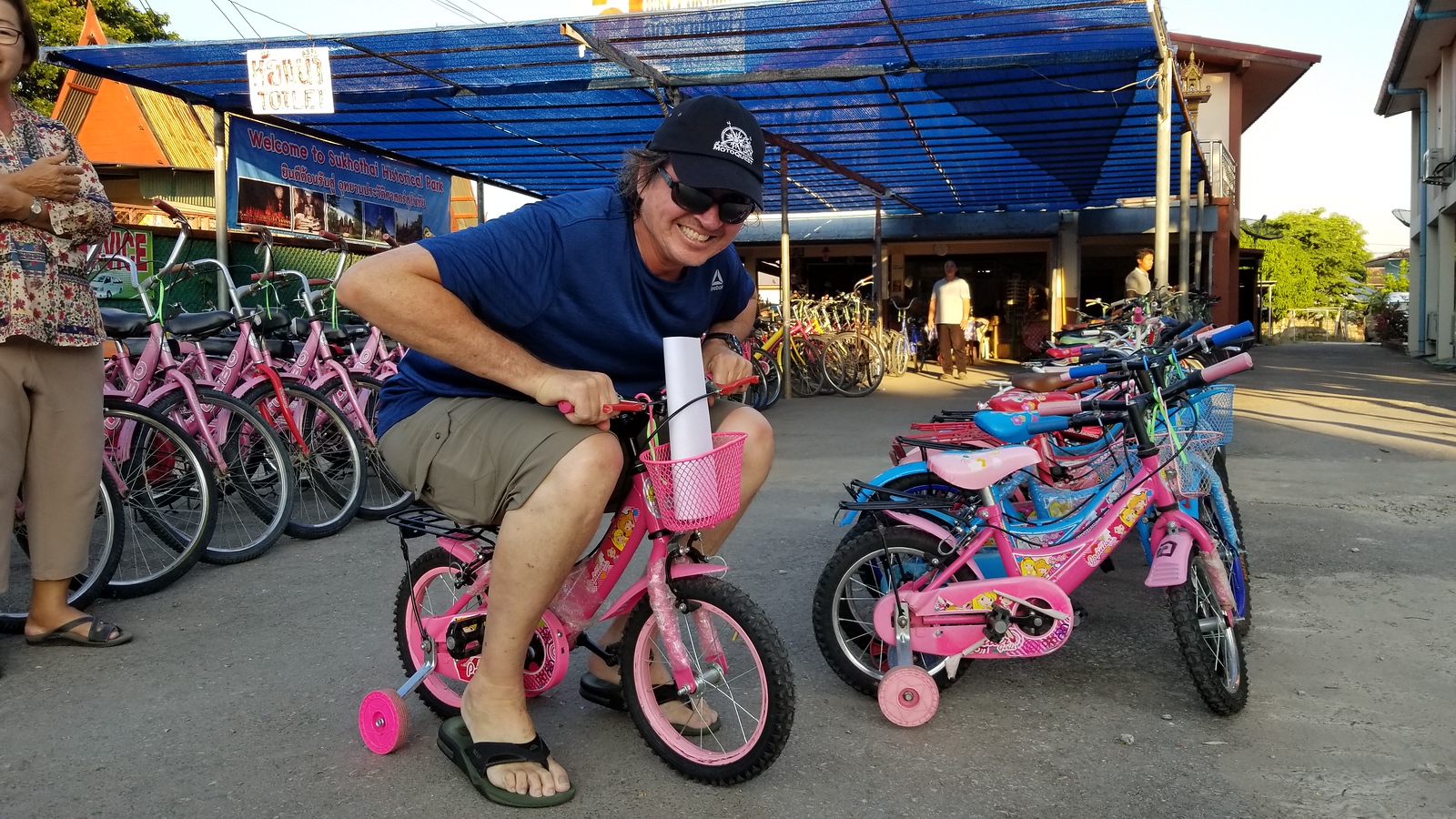
Utilizing secondary roads we will trace a scenic route to Sukhothai. We will visit the Sukhothai Historical Park, a UNESCO World Heritage Site, location of the Sukhothai Kingdom of the 13th and 14th centuries. Stay in Sukhothai.
Day 3 - Sukhothai - Chiang Khan
The day will be spent meandering roads through scenic mountainous landscapes on our way to the Mekong River. Enjoy a sunset on the Mekong before dinner at a charming local restaurant. Stay in Chiang Khan.
Day 4 - Chiang Khan - Vientiane
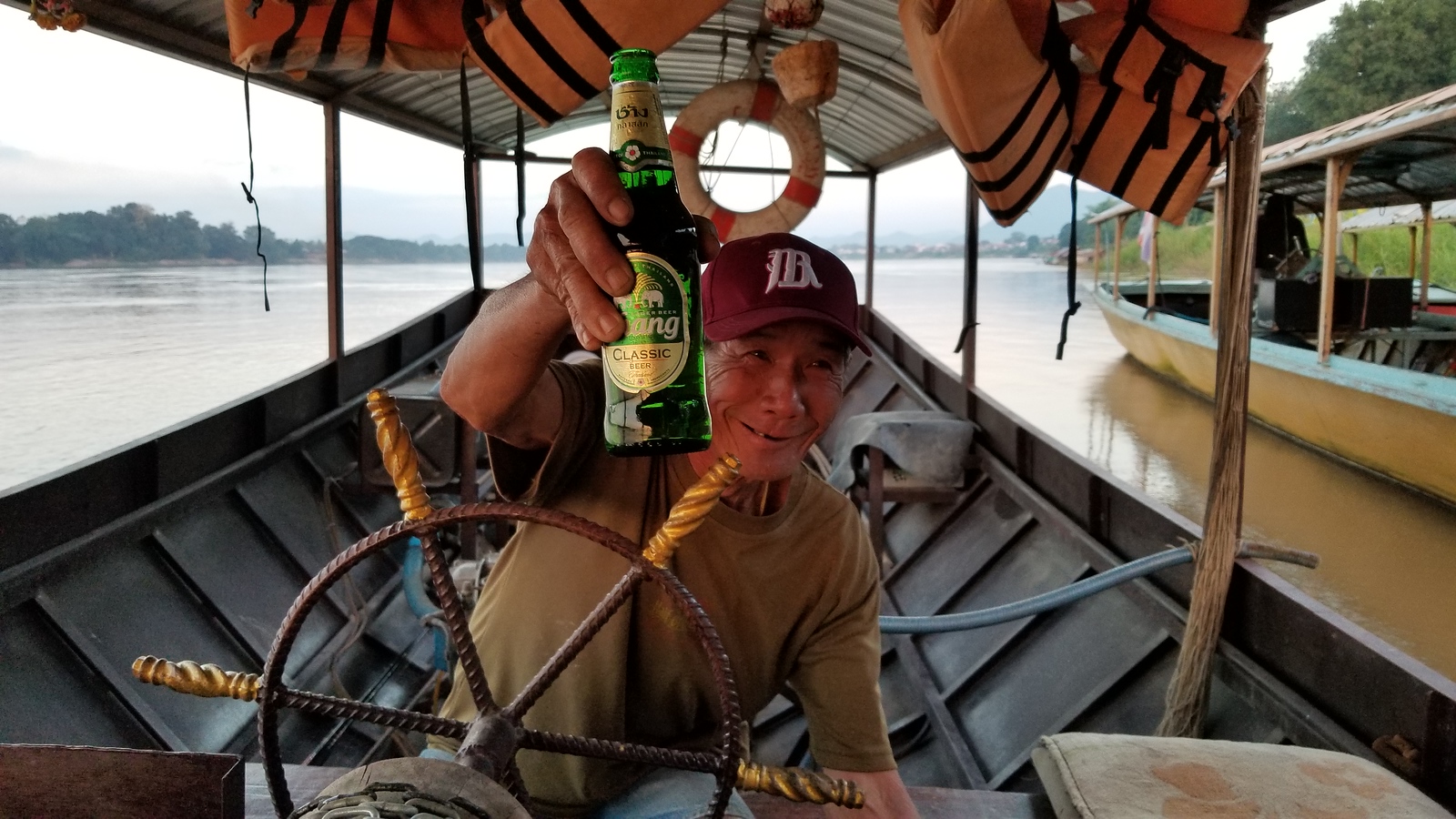
Today we follow the Mekong River eastwards towards the Friendship Bridge in Nongkhai. There, we'll leave Thailand over the Mekong River into Vientiane and Laos. Spend the afternoon exploring the capital of Laos, along the Mekong River. Stay in Vientiane.
Day 5 - Vientiane - Vang Vieng
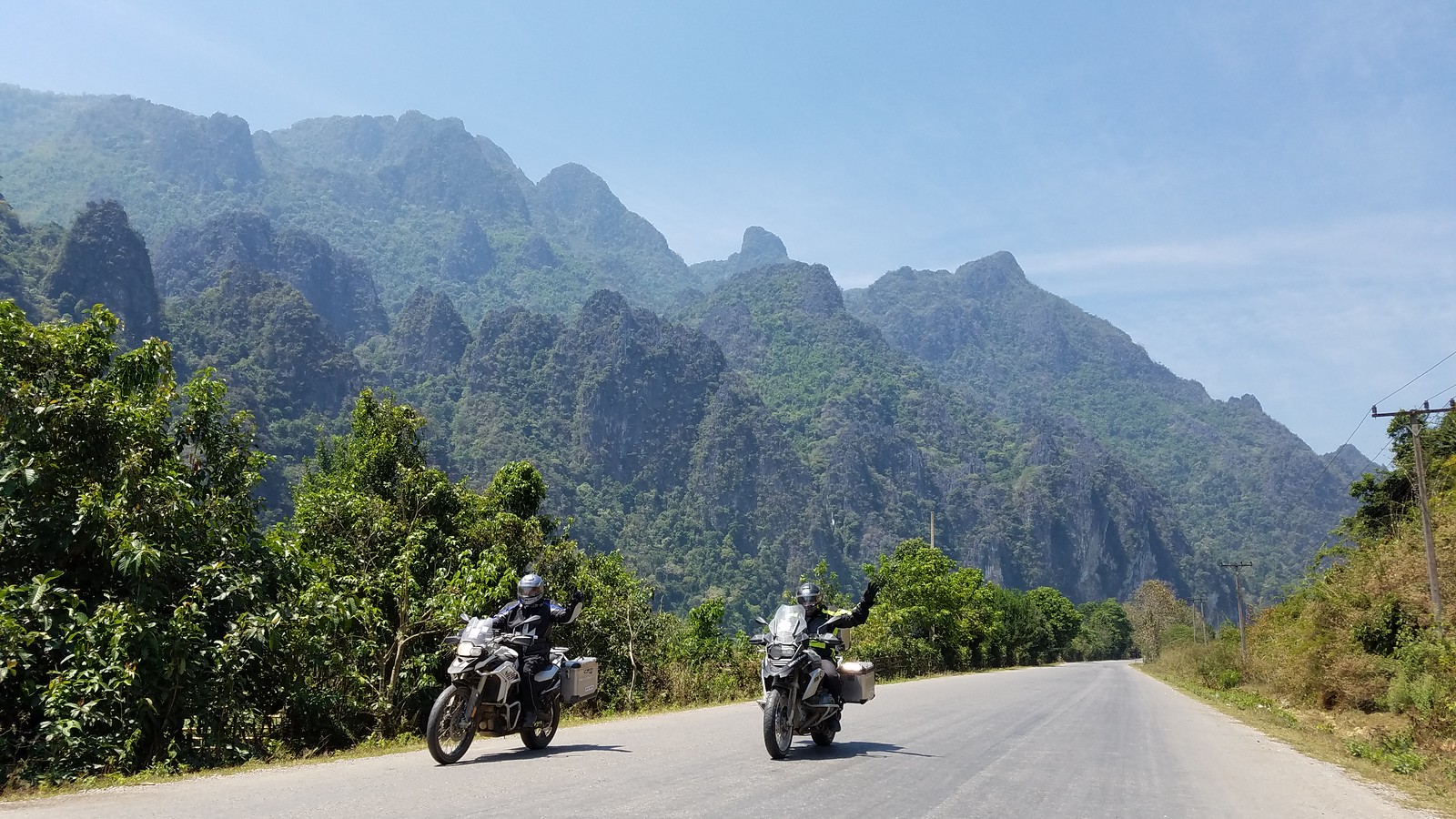
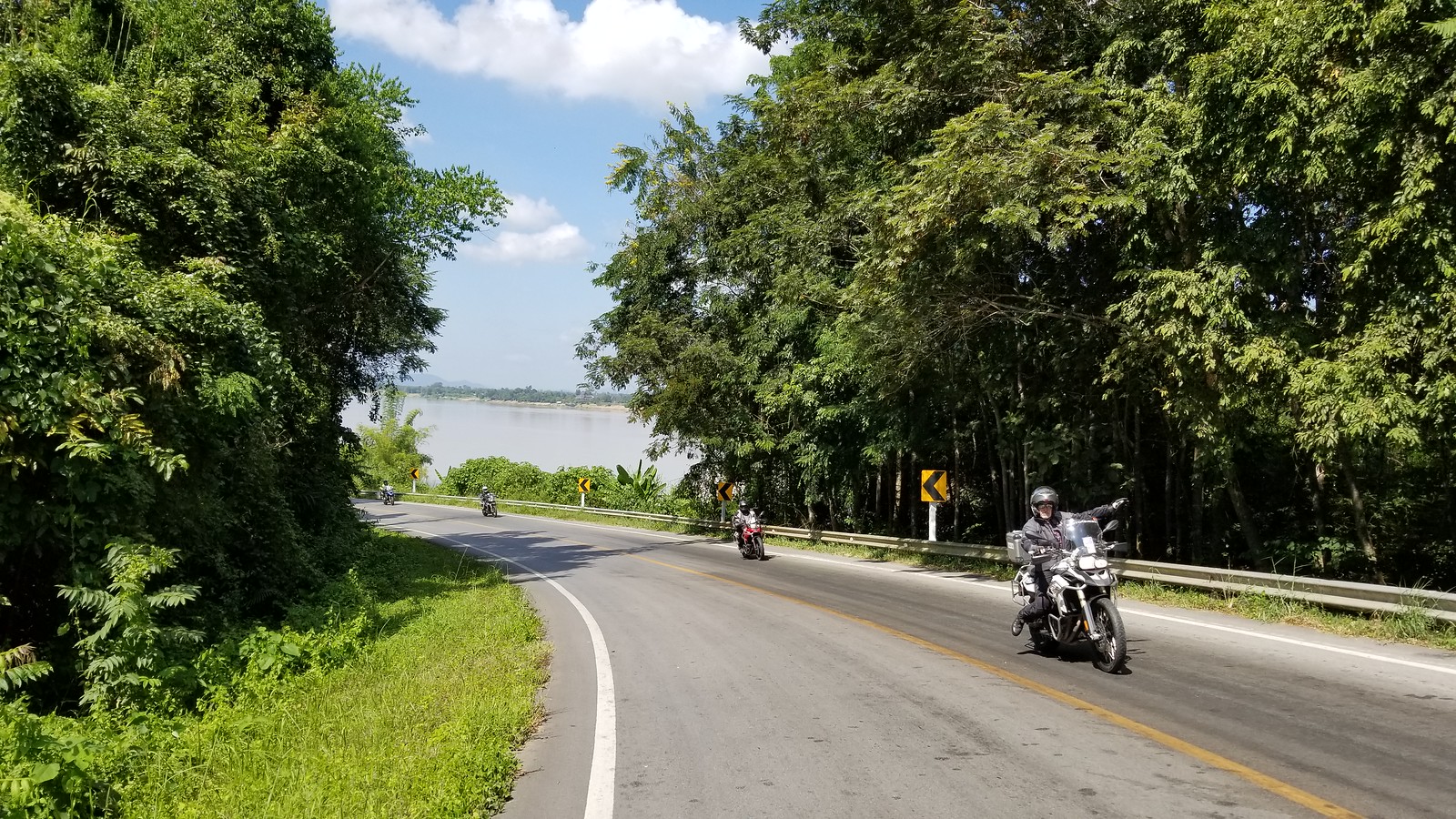
A relaxed scenic ride today through lush rock formations. Arrive in Vang Vieng, located along the shores of the Nam Song River, featuring breathtaking limestone karst rock formations. A sunset at river front with a backdrop of the karsts make for a pleasant way to wind down from the day. Stay in Vang Vieng.
Day 6 -Vang Vieng - Luang Prabang
The ride today features a road along steep ridges and hairpin bends, with headlong views of rugged valleys and remote mountains. Arrive in Luang Prabang with its golden temple roofs, French architecture and stunning mountain backdrop along the Mekong River. Luang Prabang, with its 60+ temples, is a UNESCO World Heritage City, known to be "the best preserved city in South East Asia". Stay in Luang Prabang.
Day 7 - Luang Prabang Free Day
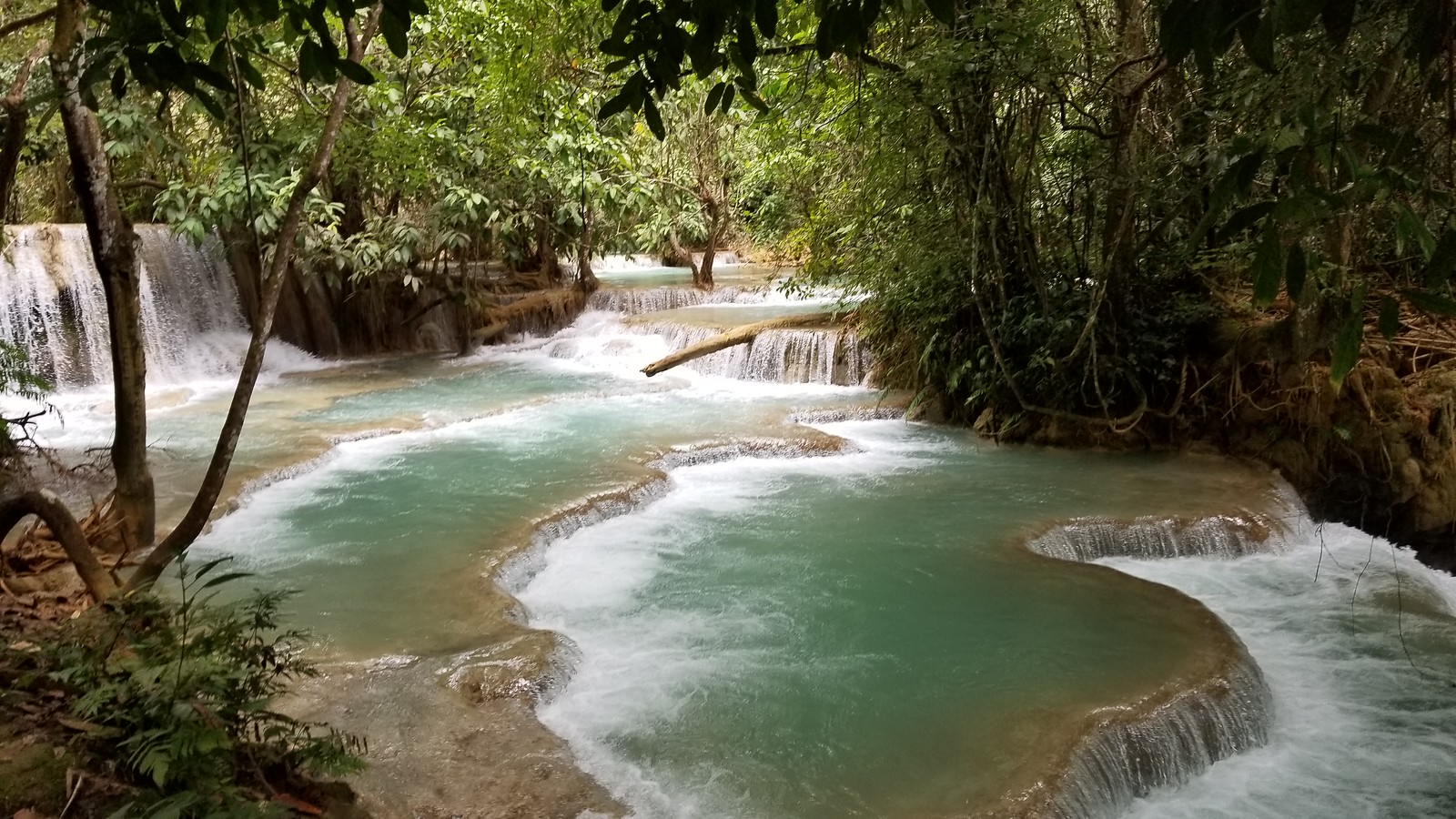
Choose from many activities in Luang Prabang from giving alms to the monks, visiting caves and waterfalls, riding elephants, strolling the night market or simply relaxing. Find out why the French colonialists never wanted to go back to France when they got here! Stay in Luang Prabang.
Day 8 - Luang Prabang - Oudom Xai
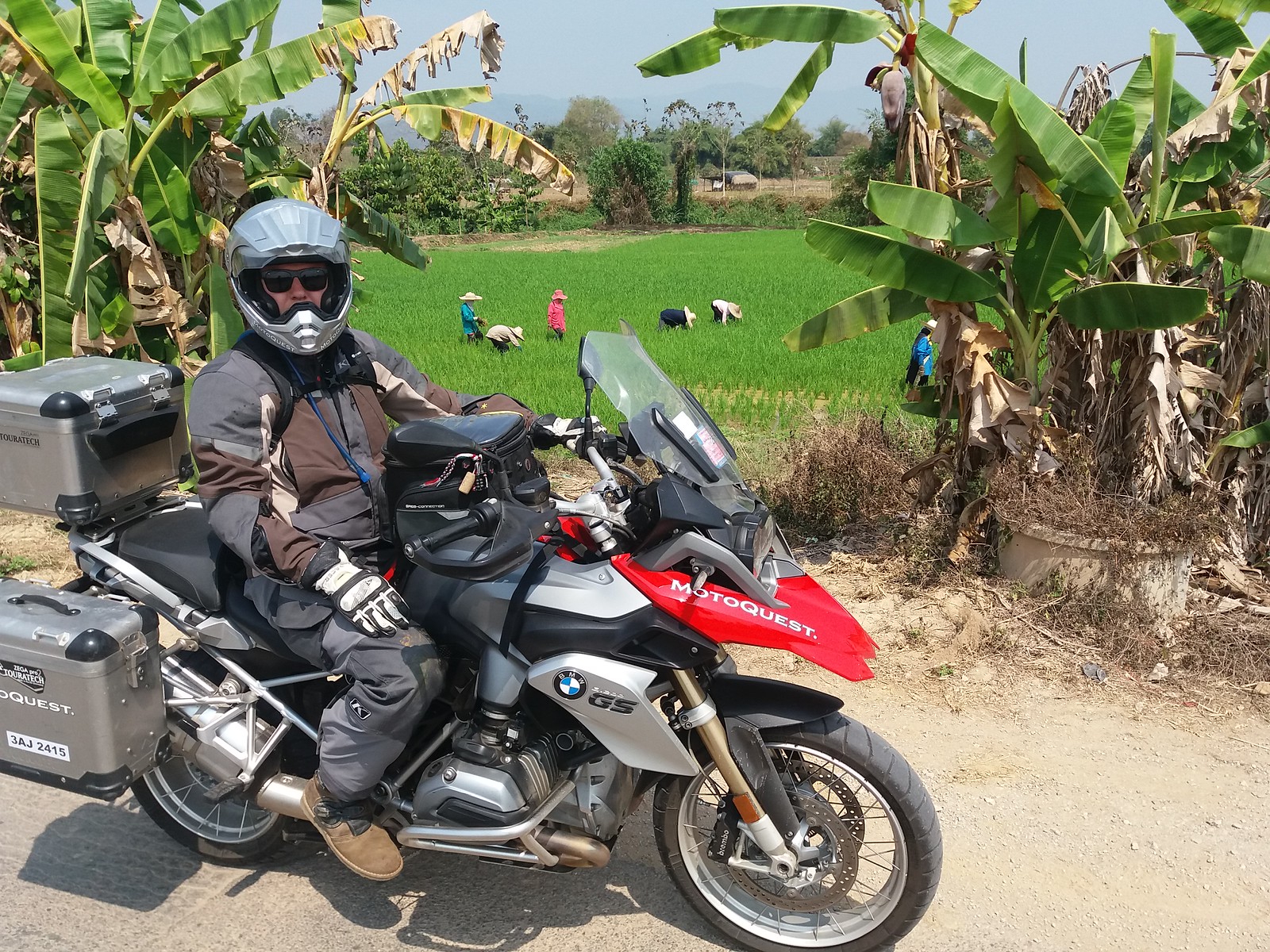
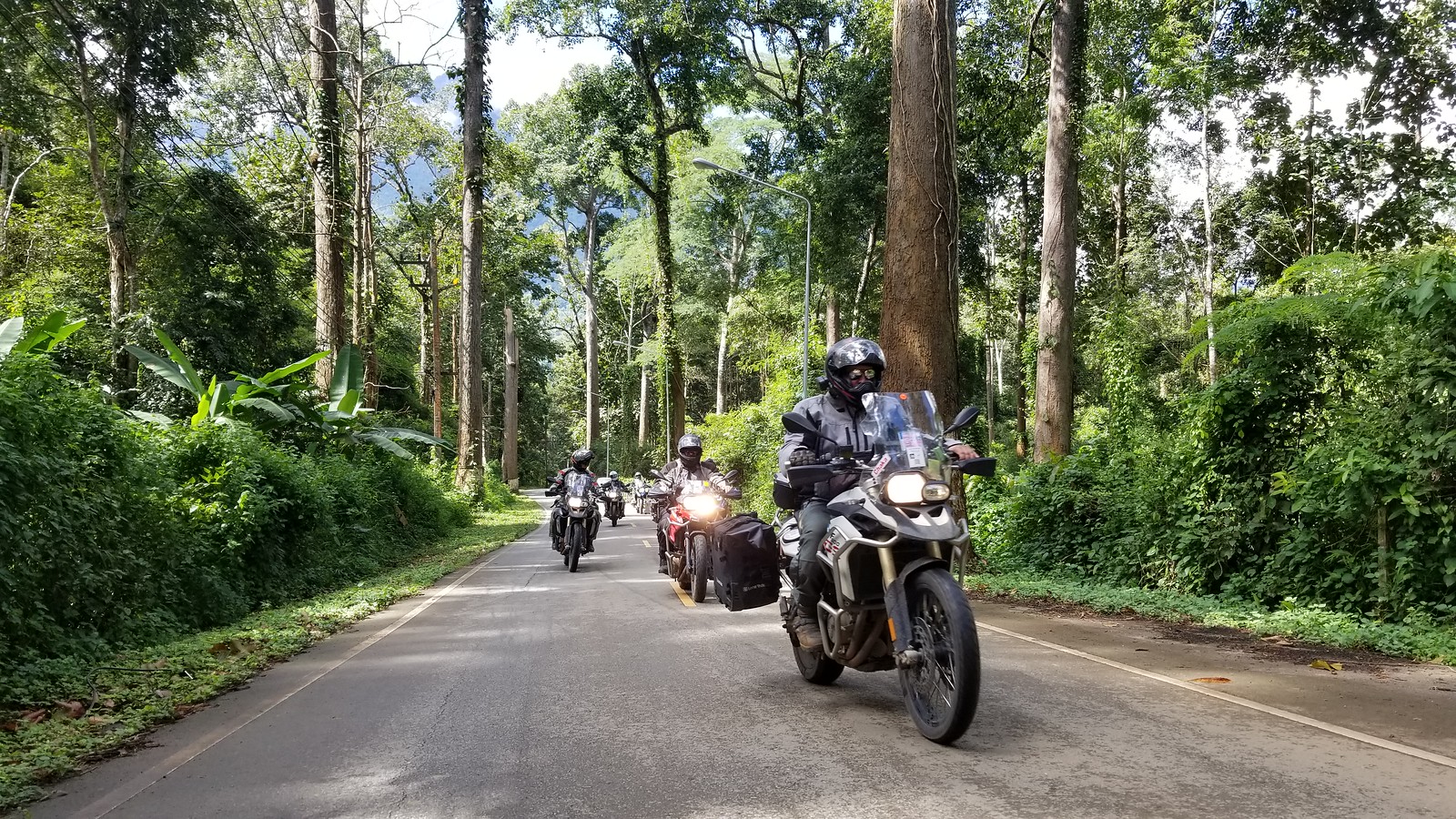
Head out into the Laotian countryside, passing villages, rice fields and riding many curves. This riding day will be one of the best of this tour. Stay in Oudom Xai.
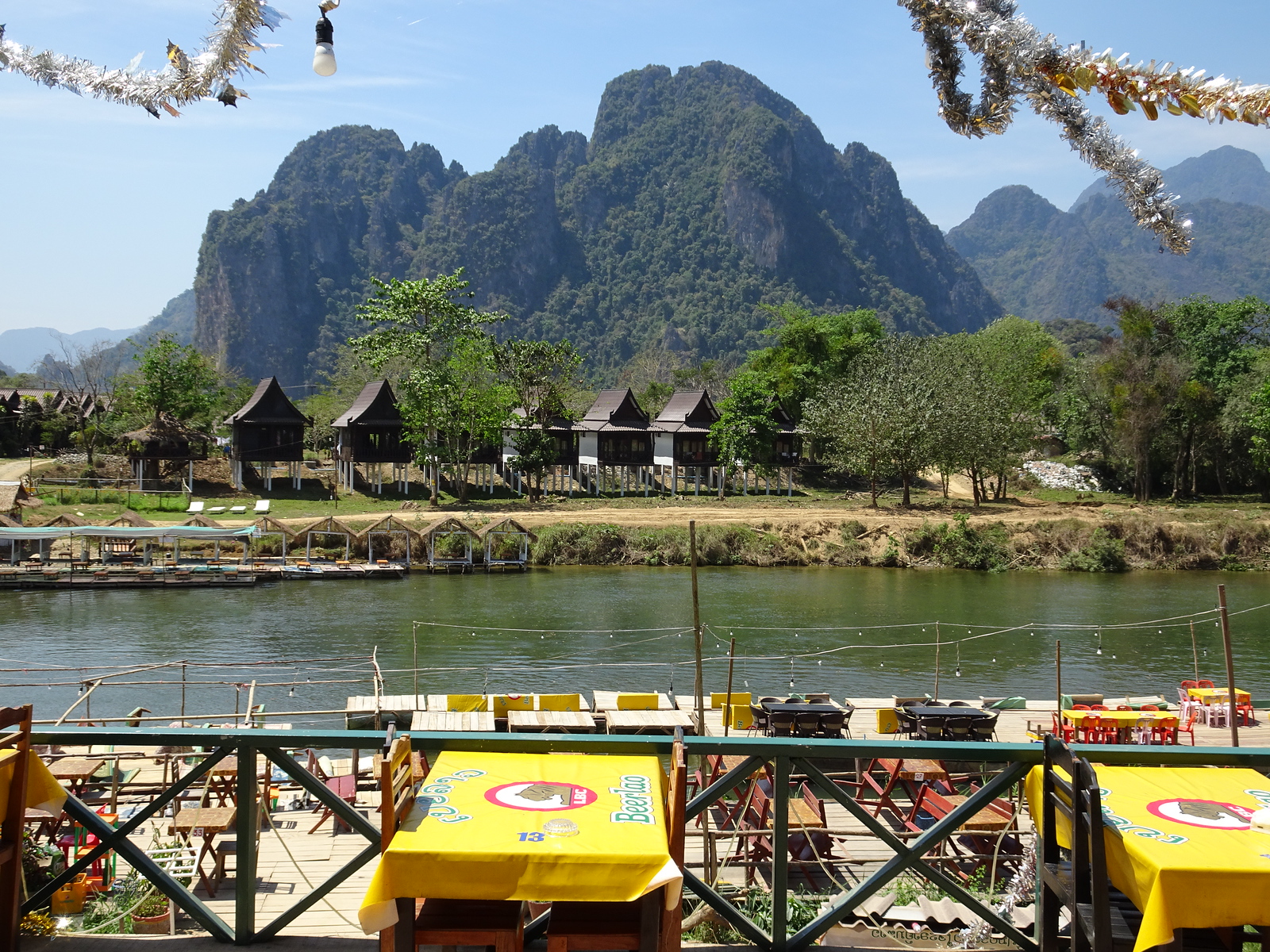
Day 9 -Oudom Xai - Chiang Khong
More remote Laotian countryside before crossing back over the Mekong River into Thailand. Another pleasant day of riding in Southeast Asia under your belt. Stay in Chiang Khong.
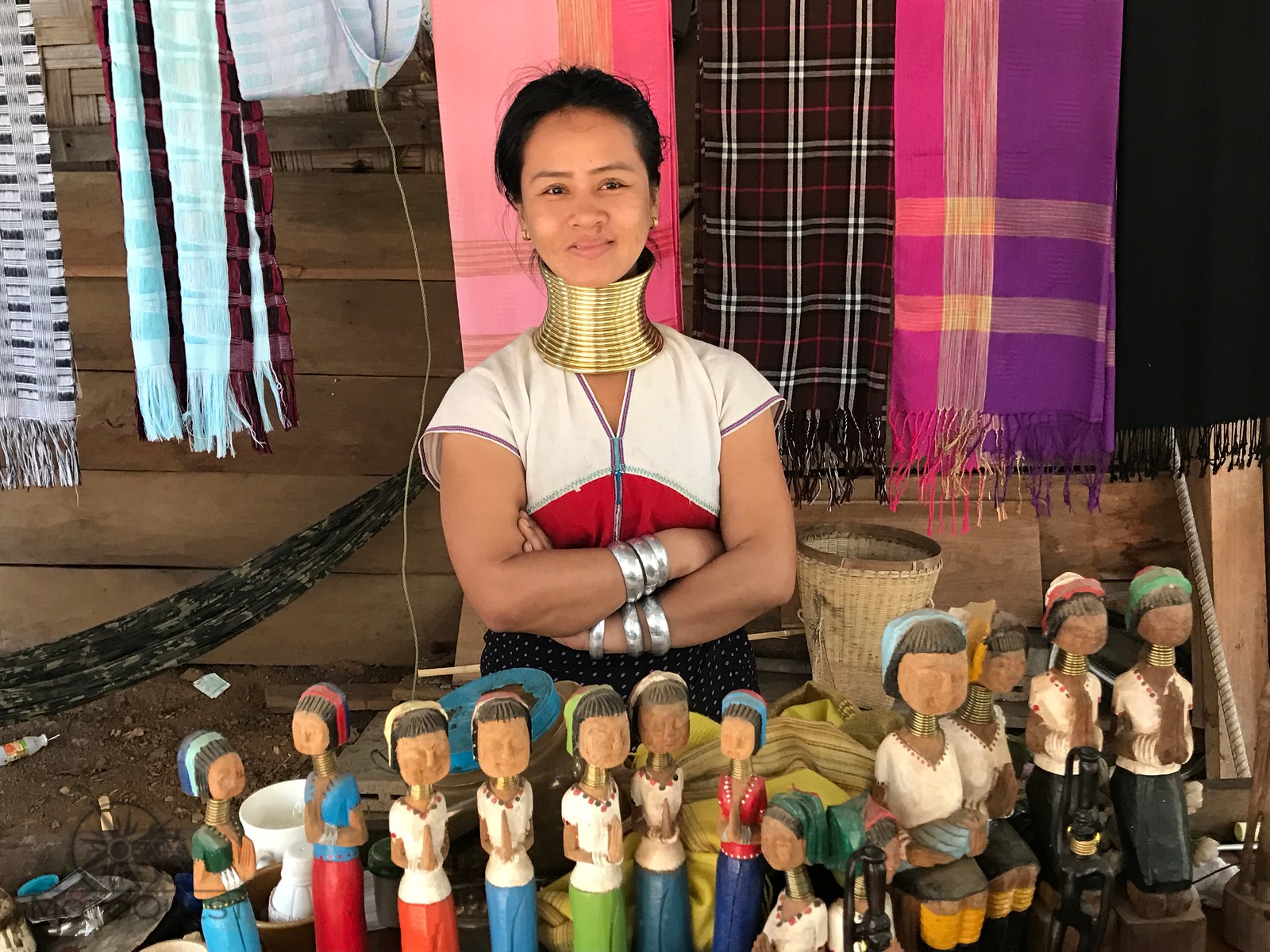
Day 10 - Chiang Khong - Thaton
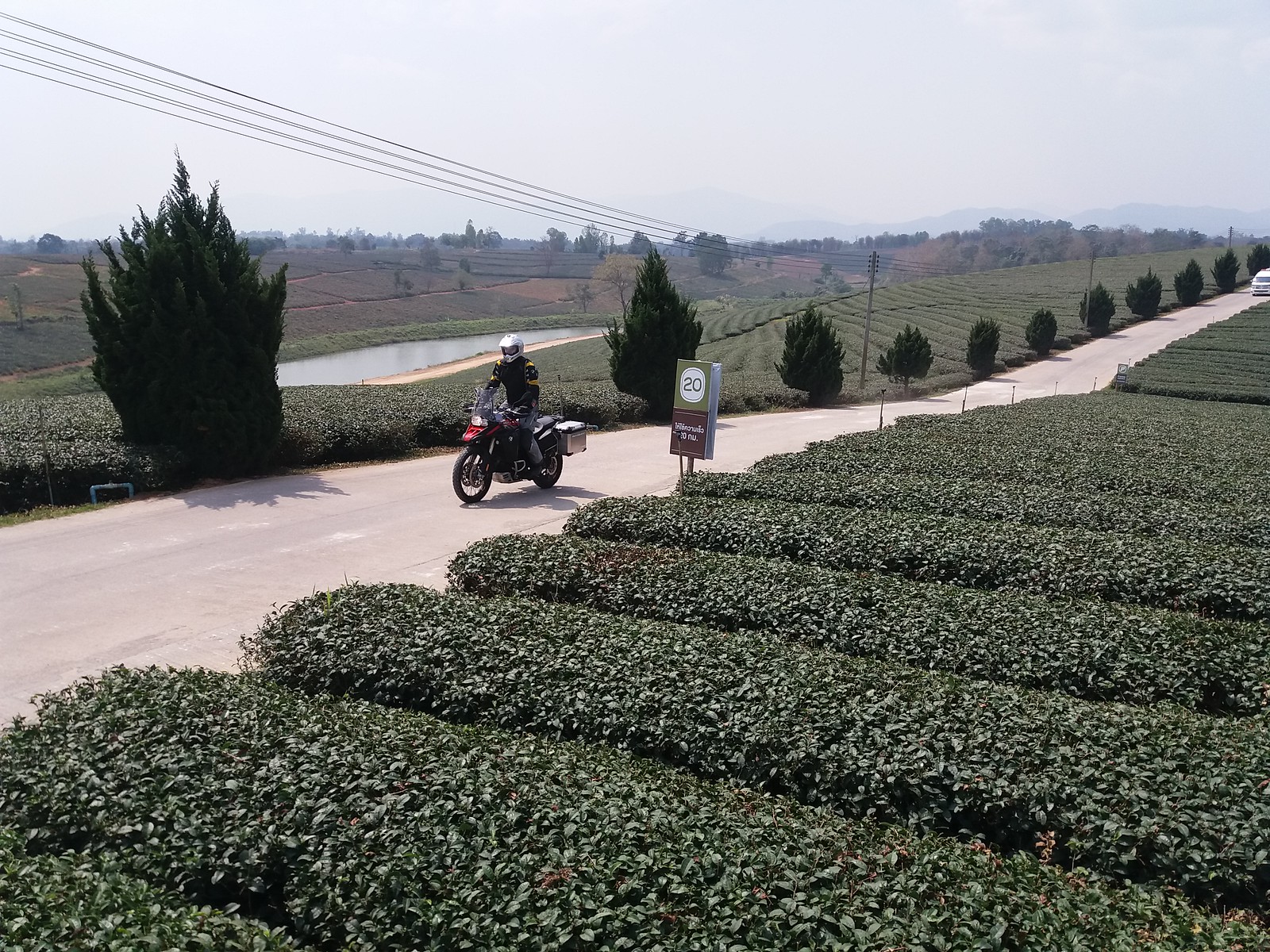
Enjoy endless tea plantations and enjoy incredibly twisty roads as you enter the famed Golden Triangle. Stay in Thaton.
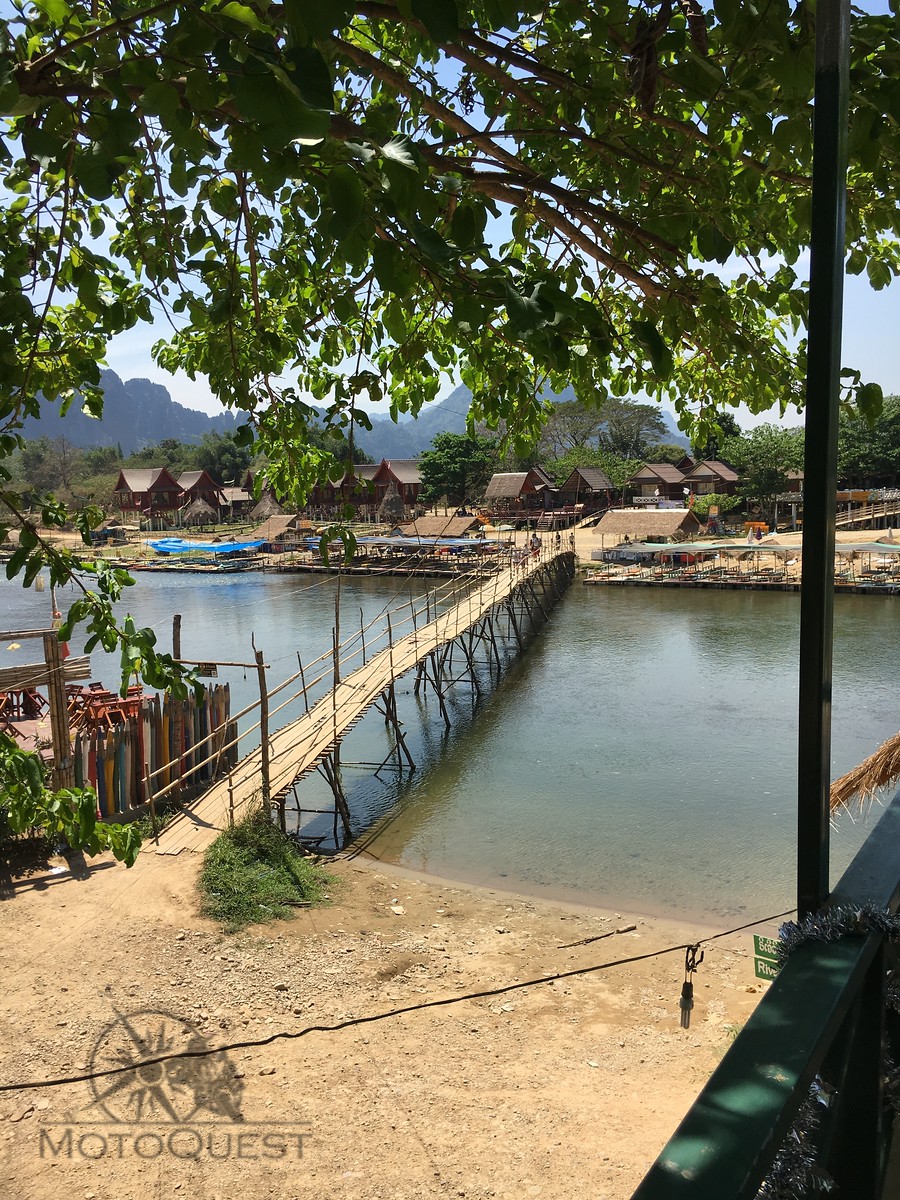
Day 11 - Thaton - Pai
We zig-zag our way to Doi Angkhang. Ride along the Myanmar border. Then, enjoy the most famed road of the trip, boasting 1864 curves, as it leads us to Pai. Walk the street market in Pai before settling in for dinner. Stay in Pai.
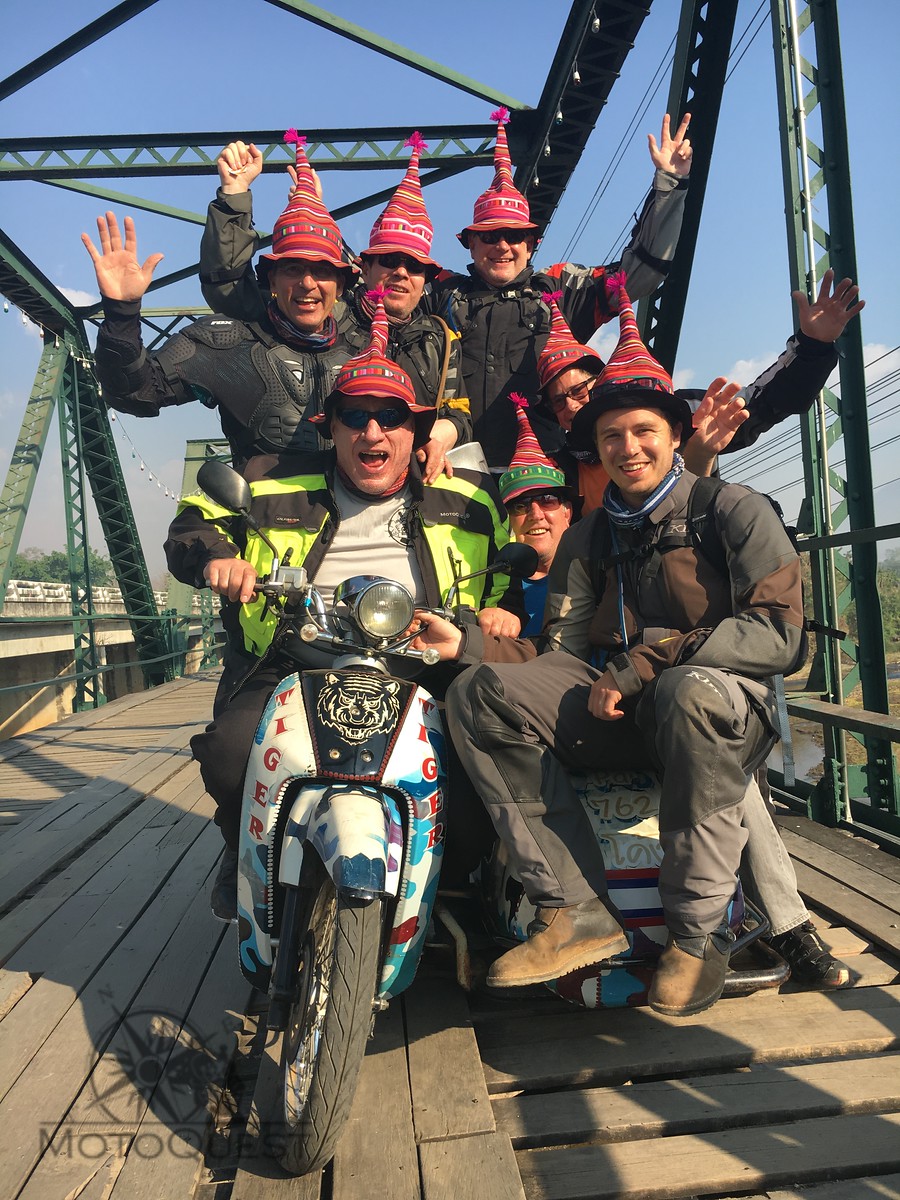
Day 12 - Pai – Ban Rak Thai – Mae Hong Son
Back to the curves. Welcome to the heart of the Golden Triangle and the mountainous countryside! Stay near Mea Hong Son.
Day 13 - Mae Hong Son - Chiang Mai Son
The last day on the road, and one of the best. Venture to the highest mountain in Thailand, visit a waterfall, and ride hundreds of curves on your way to Chiang Mai. Some will say we saved the best for last! Farewell Dinner this Evening. Stay in Chiang Mai.
Day 14 - Fly home or continue your stay.
All that's left is the crying. The uptick is you get to plan another adventure.
Included with the tour:
Hotel Accommodations
Premiere Welcome and Farewell Dinners
Professional MotoQuest Guide(s)
Support Vehicle
Support Vehicle Driver
Staff Trained in First Aid with Satellite Phone
MotoQuest Swag Bag
Photos Taken on the Trip
Automatic Enrollment in Global Rescue
Not Included:
Airfare
Meals on the Road
Gas
Alcohol
Alternative Tours
Travel Insurance
Gratuities
National Park Entrance Fees
Landmarks And Attractions
Chiang Mai
Mangrai founded Chiang Mai in 1294 or 1296: 209 on a site that the Lawa people called Wiang Nopburi. The city succeeded Chiang Rai as the capital of Lan Na. Phayu enlarged and fortified it and built Wat Phra Singh in honor of his father, Khamfu.[: 226–227 With the decline of Lan Na, Chiang Mai lost importance and was occupied by the Toungoo Empire in 1556. It formally became part of the Thonburi Kingdom in 1774, by an agreement with Kawila, after the Thonburi king Taksin helped drive out the Burmese. Subsequent Burmese counterattacks led to Chiang Mai's abandonment between 1776 and 1791; The modern municipality dates to a sanitary district (sukhaphiban) that was created in 1915; it was upgraded to a city municipality (thesaban nakhon) on 29 March 1935.[17] First covering just 17.5 square kilometres (6.8 sq mi), the city was enlarged to 40.2 square kilometres (15.5 sq mi) on 5 April 1983. In May 2006, Chiang Mai was the site of the Chiang Mai Initiative, concluded between ASEAN and the "ASEAN+3" countries, (China, Japan, and South Korea). Chiang Mai was one of three Thai cities contending for Thailand's bid to host the World Expo 2020. Ayutthaya was ultimately chosen by the Thai parliament to register for the international competition. Chiang Mai was one of two tourist destinations in Thailand on TripAdvisor's 2014 list of "25 Best Destinations in the World", where it stood at number 24. Chiang Mai is also the place where the new idol group CGM48 was founded.
Ventiane
Compared to the hectic, bustling capitals in other Southeast Asian countries, Vientiane's deliciously relaxing atmosphere makes it feel like the small town it is. After you've done the round of temples, the best thing to do here has always been to wander down to the riverside, relax with a cold Beerlao - the national beer - and watch the sun set over the Mekong. Of course, the booming tourism industry is changing this by slowly but surely bringing the excesses of Thailand and China to this formerly sleepy city. Just like any other Southeast Asian capital/major city, Vientiane is experiencing a building boom. Even its Presidential Palace is having a major makeover-addition and a new convention center has opened recently. Settled since at least 1000 CE, Vientiane became an important administrative city of the Kingdom of Lan Xang ("million elephants") in 1545. Ransacked in 1828 by the Siamese, Vientiane experienced a resurgence when it became the capital of the French protectorate, a position it kept after independence in 1953, and was unchanged after the communist revolution in 1975. Today Vientiane is the largest city in Laos, with an estimated population of 210,000 in the city itself and some 700,000 in Vientiane Prefecture.
Doi Suthep Temple
Located near Chiang Mai, ride up the winding roads to Doi Suthep Temple, a revered Buddhist site with stunning architecture and panoramic views of the city below.
Luang Prabang
Luang Prabang, historically known as Xieng Thong and alternatively spelled Luang Phabang or Louangphabang, is the capital of Luang Prabang Province in north-central Laos. Its name, meaning “Royal Buddha Image,” derives from the Phra Bang, a statue symbolizing Lao sovereignty. Designated a UNESCO World Heritage Site in 1995, the city is recognized for blending traditional Lao architecture, European colonial buildings, and over 30 Buddhist temples. The protected area encompasses 33 of its 58 villages, where daily rituals like the morning alms-giving ceremony persist.